Municipal Nonprofit Enterprise - Regional Clinical Center for Medical Rehabilitation and Palliative Care for Children from Kharkiv

PURPOSE AND SCOPE OF THE CENTER'S ACTIVITIES

HIPPOCRAT - Regional Clinical Center for Medical Rehabilitation and Palliative Care for Children from Kharkiv

  • The Center specializes in high-quality rehabilitation and palliative care, combining medical, physical, psychological, social assistance and spiritual support;
  • The HIPPOCRAT Center makes a significant contribution to the lives of children with disabilities and developmental disorders;
  • The HIPPOCRAT Center works to improve the quality of life of our patients and their families.
Learn More

Our Advantages

Services at the Hippocrat Center are considered unique due to the combination of many factors that make it exceptional in its field:

Palliative Care for Children at the HIPPOCRAT Center

We help children live in the here and now, with smiles, warmth, and care.

Palliative care is support for children with serious illnesses so they can live without pain and in maximum comfort, while their parents have support nearby.

What do we provide?

  • pain and symptom management
  • continuous medical supervision
  • psychological and spiritual support for the child and the family
  • assistance in development and education
  • social support and consultations on rights and services
  • Mobile Outreach Service: support for the patient and their family at home.

    Families with a child with an incurable disease are supported by:

    doctors, nurses, psychologists, rehabilitation specialists, social services, and spiritual support professionals. Together, they provide holistic support to the child and family.

    We are always nearby:

    we support, explain, strengthen parents, and cooperate with other institutions, communities, and organizations to improve the quality of life for children.
    Children's Rehabilitation at the HIPPOCRAT Center

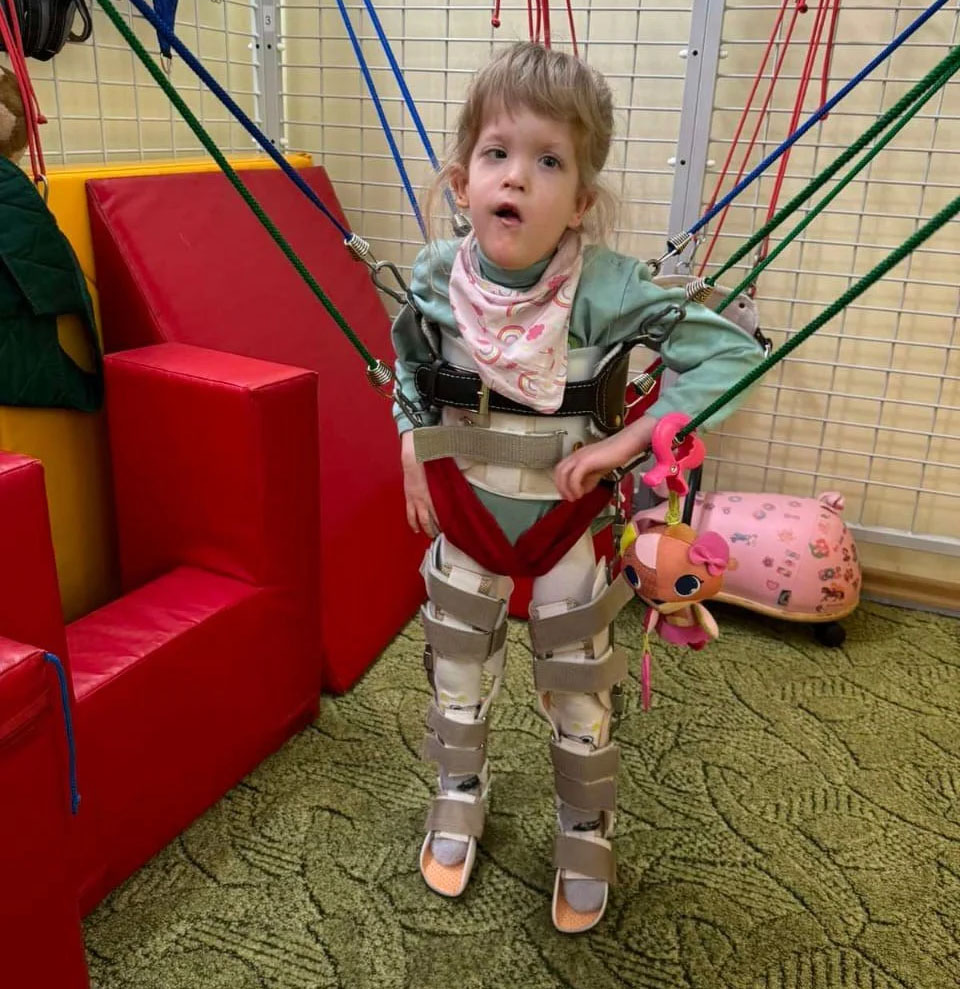
    Our approach is development through play and movement, leading to a child's daily small victories. We help children restore and develop essential life skills: movement, speech, and independence.

    Who we help:

    children with developmental disorders due to neurological diseases, cerebral palsy, congenital defects, brain inflammatory diseases, genetic and psychological disorders.

    What we do:

  • individualized activity programs
  • physical and occupational therapy
  • corrective sessions (educational and sensory)
  • speech and sensory development
  • psychological support for the family
  • Our Services

    Detailed information about our main services

    Medical Rehabilitation for Children under PHC

    Our patients are children with severe neurological and genetic conditions. Therefore, a priority of our rehabilitation center is improving the quality of life of the child and their family, as well as creating and implementing habilitation and rehabilitation programs.

    Palliative Care for Children under PHC

    Palliative care for children (WHO) - This is active and comprehensive care for the child's body, mind, and spirit, as well as support for the family. It begins from the moment of diagnosis and continues regardless of whether the child receives treatment for the primary disease or not.

    Children's Rehabilitation under Resolution №309

    Cabinet of Ministers Resolution №309 dated 27.03.2019 allows children with motor, cognitive, and physical impairments to receive free rehabilitation funded by the state budget. For this, parents or legal guardians need to apply to the local social protection authority with an application and the required documents. The state covers the services of the rehabilitation institution chosen by the parents.

    Consultative and Diagnostic Services

    A system of comprehensive interdisciplinary support for children with developmental disorders, regardless of diagnosis or severity, and their families, aimed at maximizing the child's developmental potential and normalizing the life of the whole family.

    Modern Equipment

    Our center has a wide range of modern and specialized equipment for providing rehabilitation and palliative care to families.

    Motor Development:

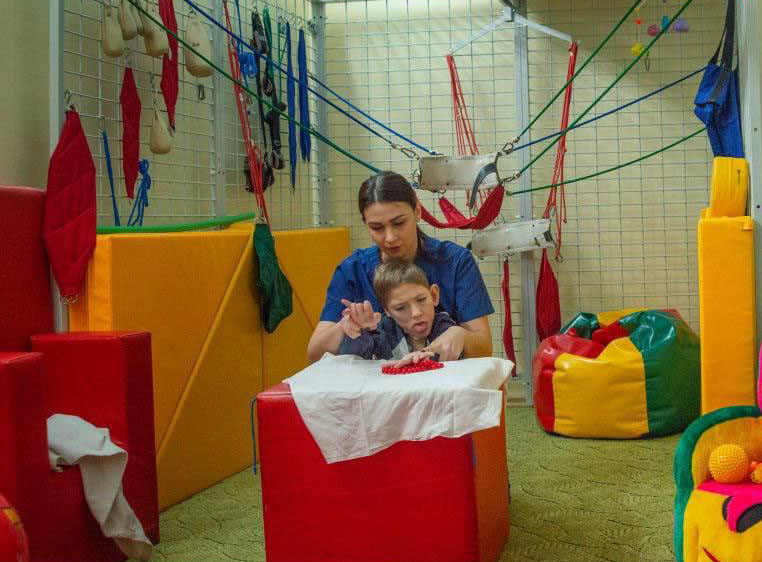
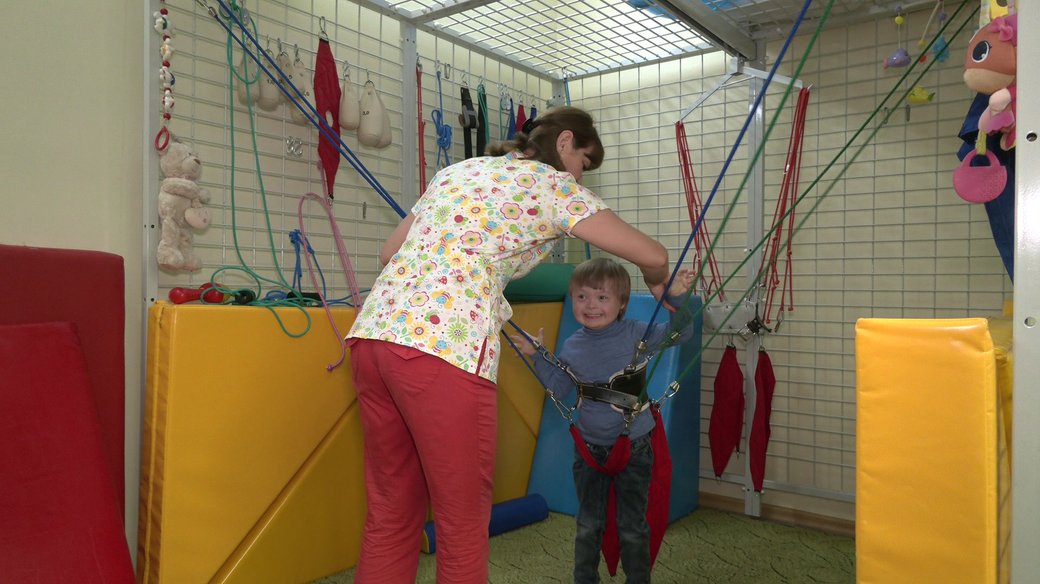
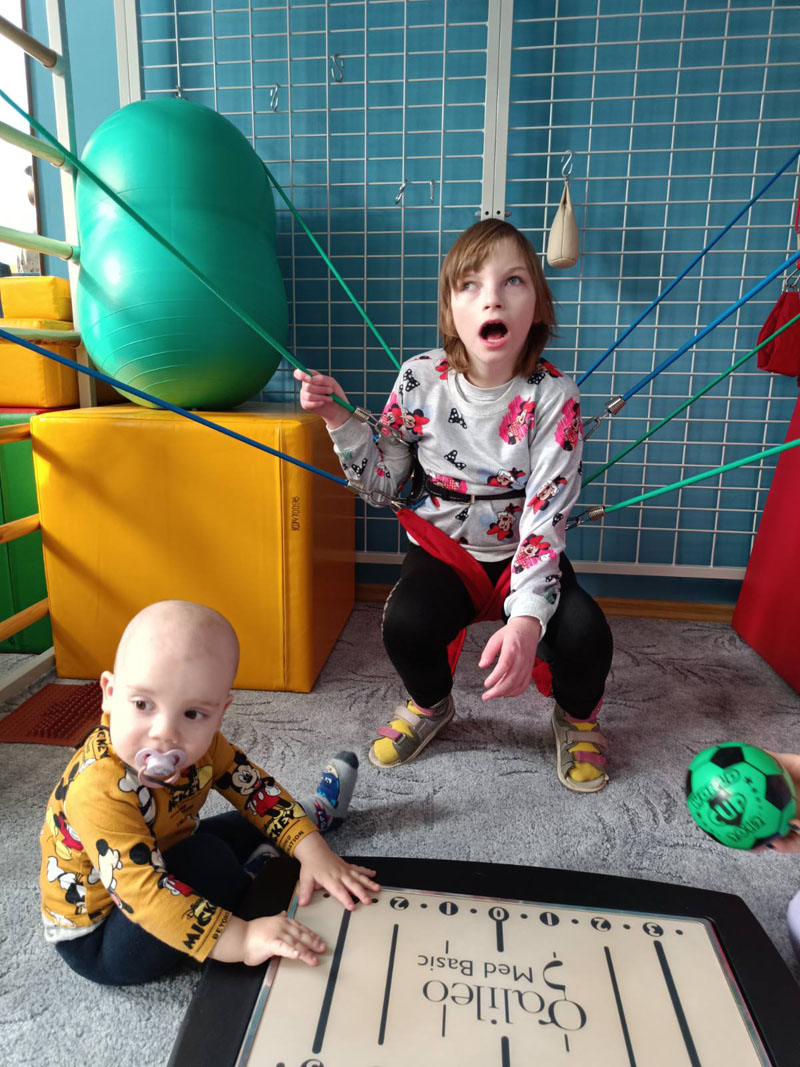
    - Universal cabin for suspension therapy.
    - MOTOmed gracile 12 rehabilitation device.
    - Galileo Med Basic vibration platform.
    - Dynamic stairs-bar trainer.
    - Rehabilitation tracks.
    - Orthopedic verticalizers.
    - Rehabilitation tables.
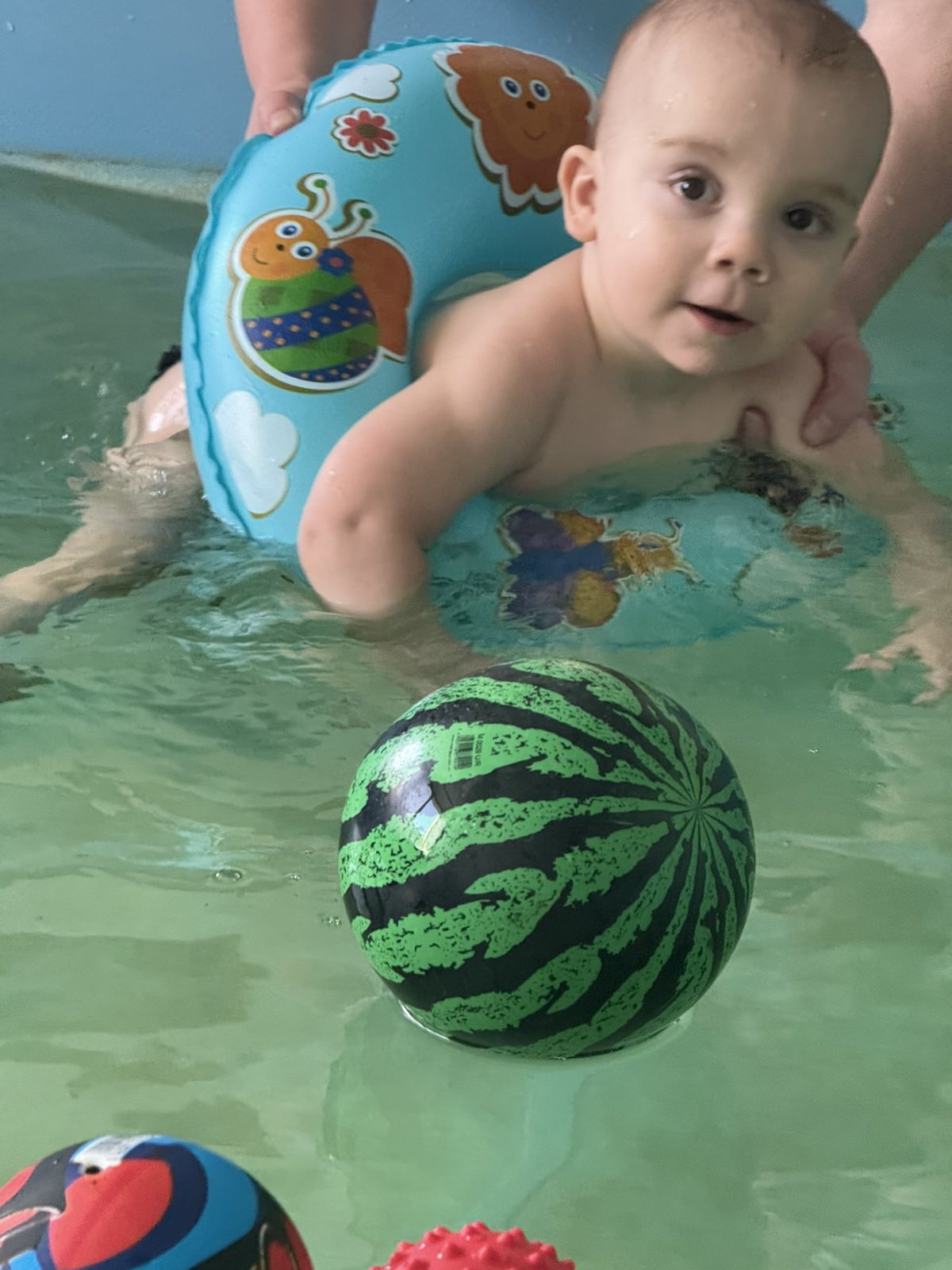
    - Pool (hydrokinesiotherapy).

    Cognitive Development:

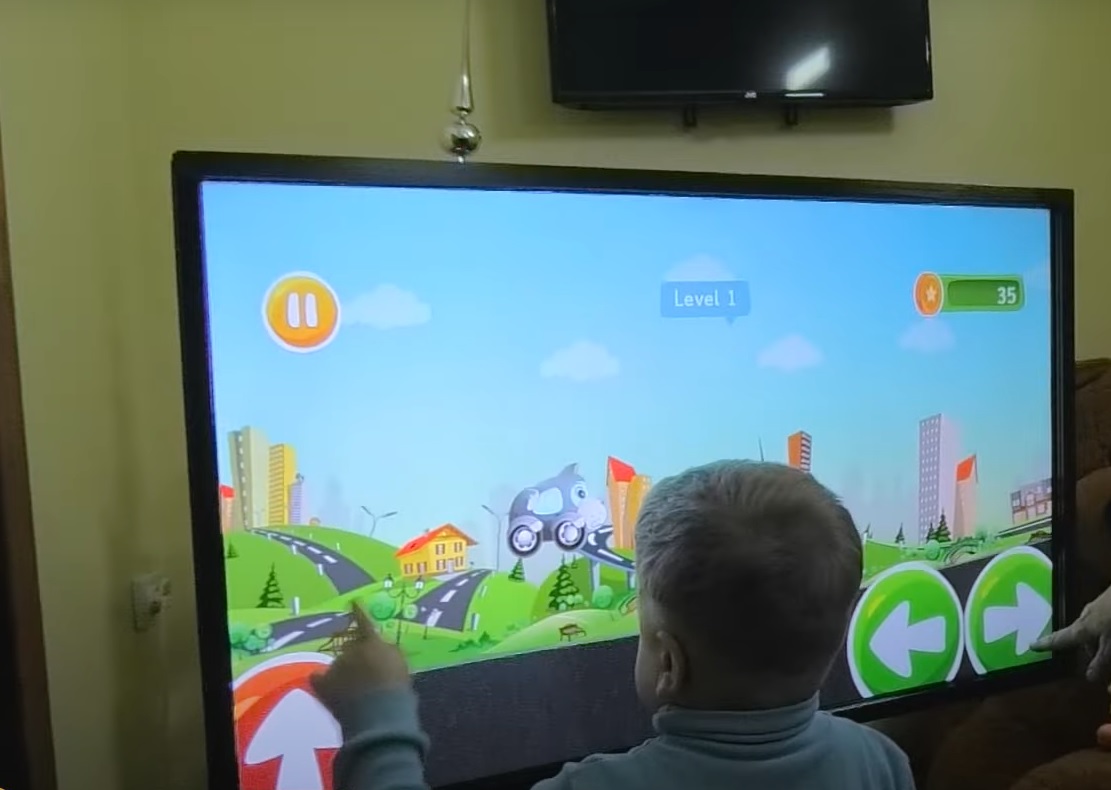
    - Interactive panels with specialized programs installed.
    - Interactive floor with specialized program installed.
    - TIMOKO corrective and developmental educational complex (computer-based complex).

    Frequently Asked Questions about Palliative Care

    What is Palliative Care?

    Palliative care is a type of medical and social support aimed at improving the quality of life for people with incurable, progressive illnesses. It includes pain management, symptom relief, and psychological, social, and spiritual support for the patient and their family.

    Who receives palliative care?

    Palliative care is provided to patients of any age with chronic, incurable, or life-threatening conditions—oncological, cardiovascular, neurological, pulmonary, renal, HIV/AIDS, etc.

    Does palliative care mean giving up treatment?

    No. Palliative care does not replace curative treatment; it complements it. It aims to relieve suffering and support the patient's dignity, regardless of the outcome of the primary treatment.

    Who can receive palliative care?

    Anyone with an incurable disease or a life-threatening condition can seek palliative care, either with a doctor's referral or independently.

    Who provides palliative care?

    It is provided by a multidisciplinary team: doctor, nurse, psychologist, social worker, physical therapist, spiritual advisor, and volunteers.

    Where can palliative care be received?

    At healthcare facilities: inpatient departments, hospices, and mobile outreach teams.

    Is palliative care paid?

    Palliative care is included in the Medical Guarantee Program, so basic services are provided free of charge with a doctor's referral or upon hospitalization in a facility that has a contract with the NHSU.

    What care does the patient receive at home?

    The mobile team can visit the patient, prescribe treatment, manage pain, teach relatives care techniques, and provide psychological support.

    How to get palliative care at home?

    You need to contact a family doctor or specialist who will issue a referral for palliative care. Then the service organizes a team visit to the patient's home.

    What is the role of relatives in palliative care?

    The family is an integral part of the team. They are trained in proper care, communication with the patient, emotional support, and can also receive psychological assistance for themselves.

    Is pain relief available at home?

    Yes. Pain relief medications (including narcotic analgesics) are prescribed by a doctor according to the patient's condition and can be obtained at a pharmacy with a prescription or through the palliative care service.

    Can a child receive palliative care?

    Yes. There is pediatric palliative care that takes into account the child's developmental needs and the needs of their family.

    How does palliative care support psychological well-being?

    A psychologist or psychotherapist helps the patient accept the illness, cope with fear and anxiety, supports relatives during patient care, and provides grief support to the family in case of death.

    Frequently Asked Questions about Medical Rehabilitation

    What is medical rehabilitation?

    Medical rehabilitation is a set of measures aimed at developing, restoring, or compensating for impaired body functions after illness, injury, or surgery. Its goal is to help the child regain maximum independence and participate in social life.

    Who can receive medical rehabilitation?

    Rehabilitation is intended for pediatric patients with developmental disorders, after injuries or surgeries, as well as children with congenital developmental defects that limit mobility or independence.

    Who provides medical rehabilitation?

    Rehabilitation is provided by a multidisciplinary team including a physician in physical and rehabilitation medicine, physical therapist, occupational therapist, speech therapist, clinical psychologist, nurse, and social worker.

    What is the goal of rehabilitation?

    The main goal is to promote the child’s development, restore body functions, and improve quality of life. This may include restoring movement, speech, self-care, memory, or emotional state.

    When should rehabilitation start?

    Rehabilitation should begin as early as possible after problems are identified by specialists or parents. The earlier recovery starts, the higher the chances of success.

    Where can rehabilitation be done?

    In hospitals (inpatient rehabilitation); in day hospitals or outpatient clinics; at home through a home rehabilitation program; in specialized rehabilitation centers.

    How to get a referral for rehabilitation?

    The referral is issued by a primary care doctor (family doctor) or a specialist after treatment. Rehabilitation services are part of the Medical Guarantee Program and may be provided free of charge.

    What types of rehabilitation are there?

    Physical — development, restoration of movement, strength, coordination, balance
    Occupational Therapy — helping the family and child achieve maximum independence, adapt to daily life, and support social adaptation
    Speech Therapy — development and restoration of speech and swallowing
    Psychological — support of emotional state
    Social — adaptation to life in society

    How long does rehabilitation last?

    The duration depends on the child’s condition, diagnosis, and individual rehabilitation plan. According to NSZU requirements, a rehabilitation cycle should last at least 14 days, several times a year as needed, determined by the specialist team together with the parents.

    Can rehabilitation be done at home?

    Yes. Home rehabilitation is possible on a doctor’s recommendation, where specialists visit the patient or conduct sessions online.

    Do rehabilitation services require payment?

    If the facility has a contract with NSZU, rehabilitation services provided with a doctor’s referral are free under the Medical Guarantee Program. Also, funding may be provided by the Ministry of Social Policy according to CMU Resolution №309.

    Is special equipment needed for rehabilitation?

    Yes, rehabilitation uses trainers, walkers, verticalizers, parallettes, sensory devices, fine motor development tools, and other modern equipment.

    Can rehabilitation be combined with primary treatment?

    Yes. Taking medications for the primary condition is not a contraindication, as long as there is no exacerbation of the main disease or pain syndrome.

    How is the effectiveness of rehabilitation assessed?

    The specialist team periodically evaluates the patient’s condition, adjusts the individual rehabilitation plan, and records changes in functions across all developmental areas.

    Reviews

    Reviews from parents of children with disabilities and developmental disorders about the HIPPOCRAT Center

    We tried to get help from all possible centers in Kharkiv and beyond. We settled on your center. Here, the specialists truly know what they are doing. Everything is explained clearly, they collect the most complete information about the child and the issues. They devote a lot of time and attention. Always friendly and kind. It's amazing that there is a center of this level in our country. Thank you.

    Oleksiy

    father

    You are a real discovery for us! I received many recommendations on what and how to do things, how to seat and feed the child properly. The child, though the fourth in the family, is “special.” Sasha learned to sit better and play with other children. In communication, there was a breakthrough — he can now engage in conversation with an adult and maintain a simple dialogue. The psychological atmosphere in the rehabilitation center is so warm and cozy that you don’t want to leave.

    Nadiya

    mother

    Good day! I really want to thank all the specialists who helped us during the rehabilitation course. I haven’t encountered so much attention and care in other centers in Kharkiv. I learned so much here: how to feed, how to play, and even how to praise and talk to my son. Thanks to the sessions, everything improved, even if slightly, especially movements — we learned to walk along support, which means soon we will walk independently, a dream come true.

    Andriy

    father

    I remember that at your center, in 3 weeks, Makar started speaking. A regular speech therapist had nothing to work with at the time. Makar had not only no sound imitation, he didn’t even focus on faces… let alone try to mimic facial expressions or lip movements. Then, the specialists began introducing PECS to him. I remember there were many nuances. It was nothing like the usual use of cards as prompts. It was a whole system. And after two weeks, Makar started speaking, immediately in phrases! He didn’t need sound formation or vocabulary expansion. The very structure of communication was impaired. But to me, it seemed like magic))) From zero to phrases in three weeks))) At that moment, I fell in love with your center forever.

    Anna

    mother

    Oh, it was heaven on earth! So much knowledge and achievements, connections and hopes — you gave us all that. Thank you!

    Svitlana

    mother

    We express our immense gratitude for years of work, understanding, and professionalism. All the specialists, doctors, and staff have become like family to us. Thank you for 6 years of working with us. You taught us to sit, eat, play, read, count, and prepared us for school — we bow low for everything. With respect!

    Svitlana and Olena

    mothers

    Thank you very much for helping with Denis's development and upbringing. Previously, our family was simply confused, not knowing how to act or what to do. The diagnosis remains, as do related issues, but now we know what to do and what to develop first. And Denis seems to enjoy our new approach — we play more together and more meaningfully.

    Denis's mother

    Thank you very much, we went through rehabilitation with our son once and were very satisfied. Deep respect for your work, you are unmatched in Kharkiv in working with special children. You are not only excellent specialists — you are wonderful people as well.

    Olena and Svitlana

    mother and daughter

    Dear and respected specialists! Our family is extremely grateful for your invaluable help and support. You taught us so much! Thank you very much. I had no idea how to handle children like Ksusha, I couldn’t even feed her properly, let alone anything else. We faced such difficulties, and you helped us so much. We really want to attend another course with you. Thank you very much!

    Olena

    mother

    Contact Information

    You can reach us using any of the following methods:

    Address

    Ukraine, Kharkiv, Khartiya Bryhady Street 9

    Email for Parents’ Inquiries

    child.gippokrat@gmail.com

    For donation, bank details in local currency UAH:

    IBAN: UA703052990000026009035912888 JSC CB “PRIVATBANK”

    MFO: 305299

    EDPNOU: 02001713

    MNCE KhRC Kharkiv "Regional Clinical Center for Medical Rehabilitation and Palliative Care for Children "Hippocrat"